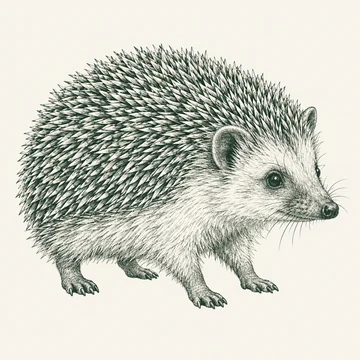
At a glance
- Distinguish complete staple foods from treats and supplements.
- Compare the actual formulation, not the animal pictured on the bag.
- Use weight and body condition to review the feeding plan.
What this guide helps you choose
Choosing the staple is different from deciding which occasional extra a hedgehog may eat. The staple needs to carry the nutritional work of the diet. A dried insect mix, treat bag, or supplement is not automatically a balanced main food.
For pet African pygmy hedgehogs, start with a suitable formulated hedgehog or insectivore diet. Where an alternative is needed, ask an experienced veterinarian to evaluate a complete cat-food formulation. “High protein” or “natural” on the front of a bag cannot settle that decision.
Read the label in a useful order
| Question | Why it matters |
|---|---|
| Is it a complete food or an extra? | Treats and supplements cannot replace a staple. |
| Which animal and life stage is it intended for? | Different formulations serve different needs. |
| What are the feeding and storage directions? | Portioning and freshness affect the real diet. |
| Is there clear manufacturer and batch information? | You need a way to ask questions or identify the product. |
| Can you obtain it consistently? | Frequent abrupt substitutions make a stable routine difficult. |
Take a photograph of the full label when seeking advice. Ingredient lists and nutrient percentages are useful context, but they do not independently prove that a food is suitable. Avoid selecting a ration by one nutrient number copied from an old article.
Match portions to the animal
Use the recommended ration as a starting point, then assess body condition and weight trends with your vet. Include feeder insects and other extras when describing daily intake. A small-looking addition can represent a large share of a small animal’s food.
Measure with the same method each time. Keep a simple log of the amount offered and what remains. If more than one person feeds the animal, write down the plan so “just a little extra” does not happen repeatedly.
Change foods gradually and store them properly
- Keep some of the familiar appropriate food available while beginning a planned transition.
- Increase the new food gradually if it is accepted and stools remain normal.
- Pause and ask for advice if the animal eats poorly or develops digestive changes.
- Seal and store the food according to its label, and note the opening date.
Buy a quantity you can use while fresh. Do not mix a new bag indefinitely into an old container without cleaning it, and keep batch details until the food is finished. Discard spoiled, damp, or pest-contaminated food.
Common questions
Is every hedgehog-branded food balanced?
No. Check whether it is intended as a complete staple and have the formulation assessed if uncertain.
Do I need vitamin supplements?
Do not add them automatically to a complete diet. Ask your veterinarian whether there is a specific need and how to meet it safely.
Sources & editorial notes
Revised October 21, 2026 using the references below. This is an editorial review, not independent veterinary approval. For advice about your animal, consult a qualified veterinarian.
- Merck Veterinary Manual — Management of African pygmy hedgehogs
- VCA Animal Hospitals — Feeding hedgehogs
What changed in this guide?
Expanded the incomplete 343-word product-removal remnant into a distinct food-selection guide; removed unsupported endorsements.
Originally published . The original address has been retained.
A little knowledge.
A more thoughtful home.