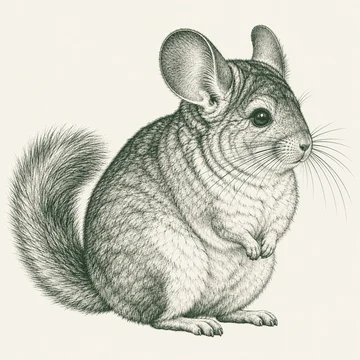
At a glance
- Choose both useful floor space and height—not height alone.
- Arrange shelves so a slip cannot become a long fall.
- Plan temperature control before choosing the cage location.
Start with the whole living space
Chinchillas need room to move, jump, rest, and use separate activity areas. A tall narrow cage can look impressive while offering very little practical space. Measure the internal living area and consider how much remains once shelves, hides, hay, and a dust bath are in place.
Blue Cross gives 90 cm long × 60 cm deep × 120 cm high as a minimum cage reference for a pair or trio, excluding the stand. More space is preferable, and the layout still needs to suit the animals. An advertised height that includes wheels and storage is not usable chinchilla height.
Create safe routes between levels
| Feature | What to look for |
|---|---|
| Shelves | Secure, comfortable surfaces arranged in manageable steps. |
| Fall protection | No uninterrupted drop from the top to the bottom. |
| Doors and gaps | Reliable latches and openings that prevent escape or trapping. |
| Resting places | Shelter and choices for compatible animals to rest apart. |
| Cleaning access | Every shelf, corner, and tray can be reached. |
Avoid exposed wire as the main standing surface. Inspect fittings for sharp edges, loose fasteners, and areas that can trap feet. Remove chewed or damaged parts before they become hazards. Plastic accessories need particular attention because chewing can quickly change their shape.
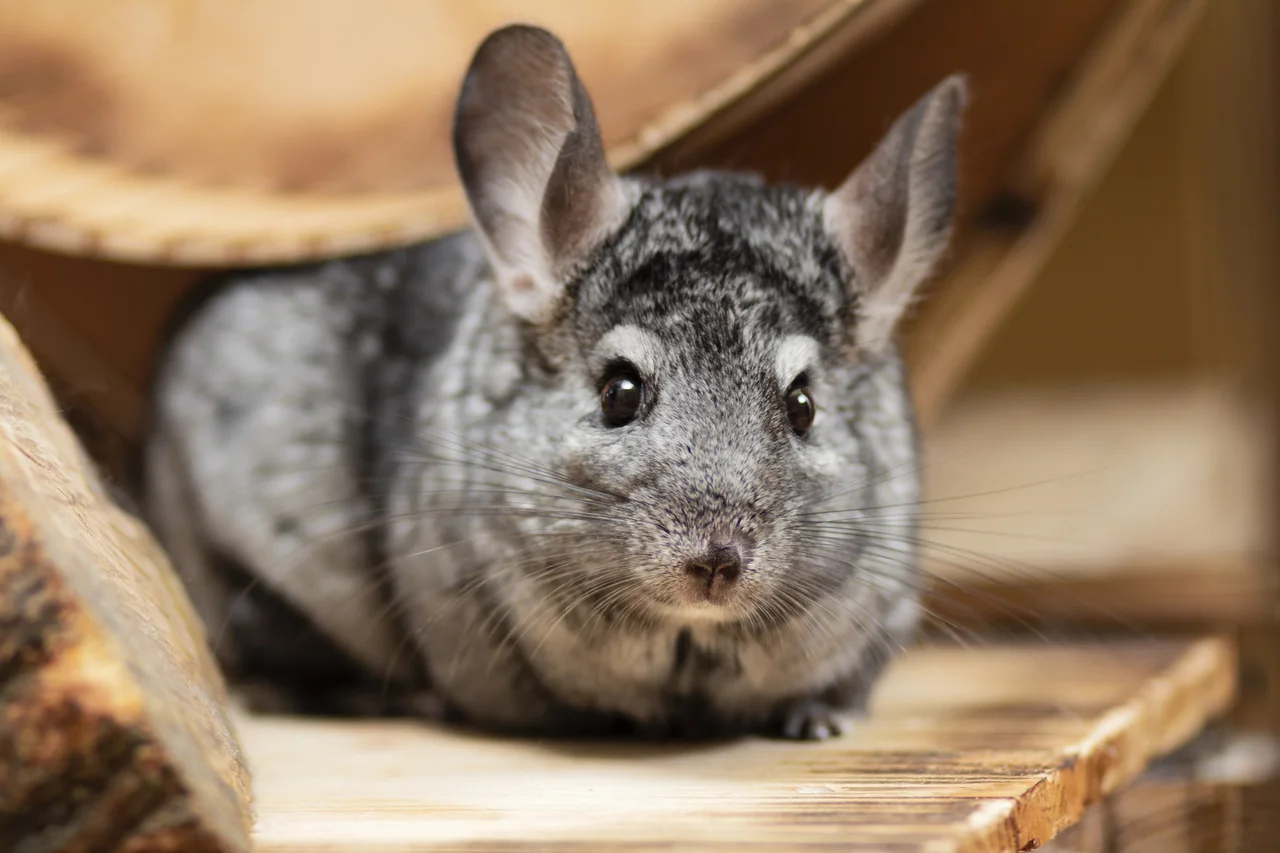
Choose a cool, quiet location
Temperature is a housing decision, not a small accessory choice. Keep the enclosure out of direct sunlight and away from radiators or hot rooms. Use a thermometer where the animals live, and plan how the room will remain cool during warm weather.
Do not assume a fan provides the same protection as effective room cooling. Humidity and ventilation also affect comfort. If you cannot maintain an appropriate environment through the summer, solve that problem before bringing chinchillas home.
Fit the essentials without crowding the cage
- Fresh hay and an appropriate feeding station.
- Clean drinking water in a reliable, accessible container.
- Shelters and safe chewing material.
- A suitable dust-bath container offered on a regular routine and removed when finished.
- Clear routes for movement and safe supervised exercise outside the cage.
Keep heavy objects stable and place them so animals cannot undermine or topple them. Check the setup after cleaning: a shelf returned at a different angle or a loose latch can create a new hazard.
Make cleaning easy enough to do well
Remove wet or soiled material and leftover food promptly. Check shelves, sleeping areas, and the space below hay. Periodically clean the full enclosure using an animal-appropriate product, rinse as directed, and let everything dry before the chinchillas return.
A persistent wet area may indicate a leaking bottle rather than inadequate bedding. Keep spare bedding and a temporary secure carrier available so a full clean does not become an improvised operation.
Common questions
Is a taller cage always better?
No. Height helps only when there are safe routes, useful surfaces, and protection from long falls. Floor space and layout matter too.
Should the dust bath stay inside all day?
A regular supervised opportunity lets you keep the dust clean and limit soiling. Follow appropriate chinchilla care guidance and adjust if skin or respiratory issues arise.
Sources & editorial notes
Revised October 21, 2026 using the references below. This is an editorial review, not independent veterinary approval. For advice about your animal, consult a qualified veterinarian.
What changed in this guide?
Removed orphan cage advertisements; completed sizing, shelf safety, heat management, setup and cleaning guidance.
Originally published . The original address has been retained.
A little knowledge.
A more thoughtful home.